
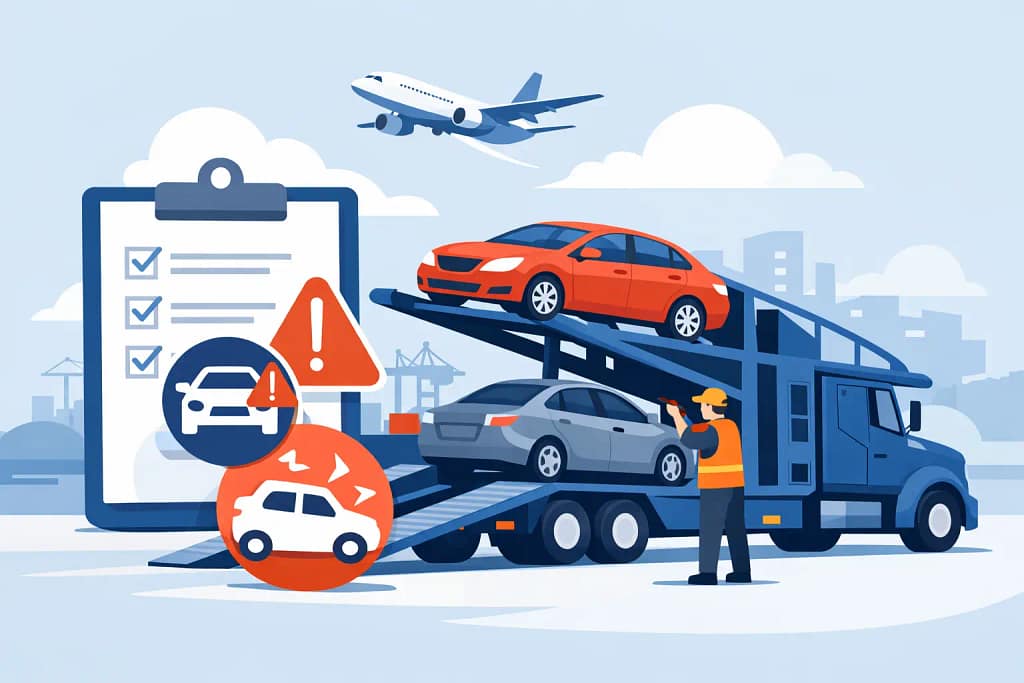
A vehicle shipment can go wrong before a carrier ever arrives. The most common problems start with an incomplete quote, an unrealistic pickup expectation, or a customer who assumes every transporter handles every vehicle the same way. Knowing the top mistakes when shipping a vehicle puts you in control of the details that affect price, timing, and condition at delivery.
Auto transport does not need to be complicated, but it does require accurate information and a carrier or transport partner that communicates clearly. Whether you are relocating, buying a car out of state, sending a vehicle to a seasonal home, or moving a collector car, these mistakes are worth avoiding.
Choosing the Lowest Quote Without Asking Why
A low quote is not automatically a bad quote. It can reflect a flexible schedule, a popular route, open transport, or favorable market conditions. The issue is a number that is dramatically lower than every other estimate without a clear explanation.
Some companies use a low initial price to get your booking, then struggle to find a carrier willing to accept the load. Days later, you may be asked to pay more, wait longer, or accept a last-minute change. That is not a bargain if it disrupts a move, a vehicle purchase, or a planned delivery date.
Ask what the quote includes, whether the price is binding, and what could cause it to change. A dependable estimate should account for the vehicle type, route, operability, transport method, timing, and any special requirements. Transparent pricing matters more than a quote that looks good for five minutes.
Providing Incomplete Vehicle Information
Your vehicle is not just a year, make, and model. Carriers need to know whether it runs, rolls, steers, brakes, has low ground clearance, has oversized tires, or has modifications that change its dimensions. A lifted truck, an inoperable SUV, or a lowered sports car may require equipment and loading procedures that differ from a standard sedan.
Leaving out these details can lead to a delayed pickup or an added charge when the carrier arrives. It can also create a safety issue if the truck sent to collect the vehicle is not suited to the job.
Be direct about the condition of the car. If it does not start, say so. If the battery is weak, the tires are flat, or the vehicle has a non-functioning parking brake, mention it before booking. Accurate information gives the carrier a fair chance to plan correctly and protects you from zero-surprise pricing problems later.
Do Not Forget Accessories and Loose Parts
Roof racks, spoilers, bike mounts, wide mirrors, and aftermarket bodywork can affect clearance. Let the transport company know about anything that changes the vehicle’s normal shape or height.
If you are shipping a project vehicle with loose parts, secure them properly or transport them separately. A carrier can safely move a vehicle, but loose components inside or attached to it can become a damage risk during loading and transit.
Assuming Pickup and Delivery Dates Are Guaranteed
Auto transport is a coordinated logistics service, not a scheduled airline flight. Weather, traffic, road closures, other customer stops, and federally required driver rest periods can affect timing. Most shipments have pickup and delivery windows rather than an exact minute on the calendar.
The mistake is planning a flight, home closing, or dealership appointment with no room for normal transportation variables. If your timeline is tight, communicate that from the start. Expedited service may be appropriate, but it costs more and still depends on safe, legal carrier operations.
Build a practical buffer into your plans. Arrange for someone you trust to release or receive the vehicle if you cannot be there, and make sure they understand how to inspect the car and sign the delivery paperwork. A little flexibility can prevent a stressful handoff.
Skipping Research on Licensing, Insurance, and Communication
A professional transport provider should be able to explain how its process works, what coverage applies, and who will be available if you have a question. Do not settle for vague answers, unexplained fees, or a company that becomes difficult to reach after taking a deposit.
There is a difference between a company that coordinates transport and the carrier that physically moves your vehicle. Either arrangement can work well when it is managed honestly. What matters is whether you receive clear information about the shipment, the assigned carrier, pickup expectations, insurance, and the contact person responsible for updates.
Before you commit, ask how communication will work during the move. Will you receive pickup confirmation? Who should you call if the driver is running late? What happens if weather changes the route? Real people and responsive support matter most when plans shift.
Failing to Document the Vehicle’s Condition
This is one of the simplest steps in the vehicle shipping process, and one of the most valuable. Before pickup, wash the exterior if practical and take clear, date-stamped photos from all sides. Photograph the roof, wheels, windshield, mirrors, bumpers, and any existing scratches, dents, chips, or paint issues.
At pickup, review the bill of lading or condition report with the driver. Make sure pre-existing damage is noted before the vehicle is loaded. When the vehicle arrives, inspect it again before signing the final paperwork.
Do not rush this step because the driver is waiting or because it is dark outside. Use a phone flashlight if necessary. If you see a concern, document it on the delivery paperwork and take photos immediately. A careful inspection is not distrustful. It is standard protection for everyone involved.
Leaving Personal Belongings in the Vehicle
Many customers assume they can fill a car with boxes, clothing, tools, or household items to save space during a move. That can create problems. Personal items may add weight, shift during transport, obstruct the driver’s view while loading, or fall outside the carrier’s cargo coverage.
Policies vary, so always ask before placing anything in the vehicle. If limited personal items are permitted, keep them below window level, secured in the trunk or cargo area, and away from the driver’s controls. Never leave valuables, important documents, firearms, medication, or irreplaceable items in the car.
A transport trailer is designed for vehicles, not household moving. Treat your vehicle as a vehicle shipment and make separate plans for belongings that need their own protection.
Selecting the Wrong Transport Type
Open transport is the most common and cost-effective option for standard vehicles. It is a practical choice for many daily drivers, trucks, SUVs, and dealership purchases. The vehicle is secured on an open trailer and exposed to normal road and weather conditions, much like any car being driven on public roads.
Enclosed transport provides added protection from weather, road debris, and public exposure. It is often the better fit for exotic, classic, antique, luxury, or recently restored vehicles. It typically costs more, and availability can be more limited, but the extra protection may be worth it for a high-value or sensitive vehicle.
The right choice depends on the vehicle’s value, condition, your risk tolerance, the route, and your budget. The key is to make the decision intentionally rather than selecting a service type based only on the lowest price.
Not Preparing the Vehicle for Pickup
A few minutes of preparation can make pickup safer and faster. The vehicle should have enough fuel to load and unload, but not a full tank. About one-quarter tank is generally sufficient. Remove toll tags and parking passes, disable alarms if possible, and provide any special startup or operating instructions to the driver.
Check that the battery is charged and the tires are properly inflated. If you have a convertible, make sure the top is secured. For electric vehicles, confirm the charge level and provide clear instructions if the vehicle requires a particular procedure to enter neutral or transport mode.
Also consider access at both ends of the route. Large carriers may not be able to navigate narrow residential streets, low-hanging trees, tight turns, or communities with truck restrictions. Door-to-door service often means the closest safe and legal location, such as a wide street, shopping center, or nearby lot. Confirming that early avoids a last-minute scramble.
Treating Delivery as the End of Communication
Delivery is the final step, but it should still be handled with care. Be available by phone, confirm the meeting location, and inspect the vehicle before the driver leaves. If someone else is receiving the car, make sure they have authorization and know what to do.
A good shipment is not defined only by a vehicle arriving. It is defined by clear expectations, accurate paperwork, safe handling, and a customer who never has to guess what happens next. Choosing a transport partner that takes those details seriously makes the entire experience easier to manage.
The best time to prevent a shipping problem is before the vehicle is loaded. Ask direct questions, share complete information, and give yourself enough time for the job to be done safely. That preparation is what turns auto transport from a source of uncertainty into a straightforward part of your move.