
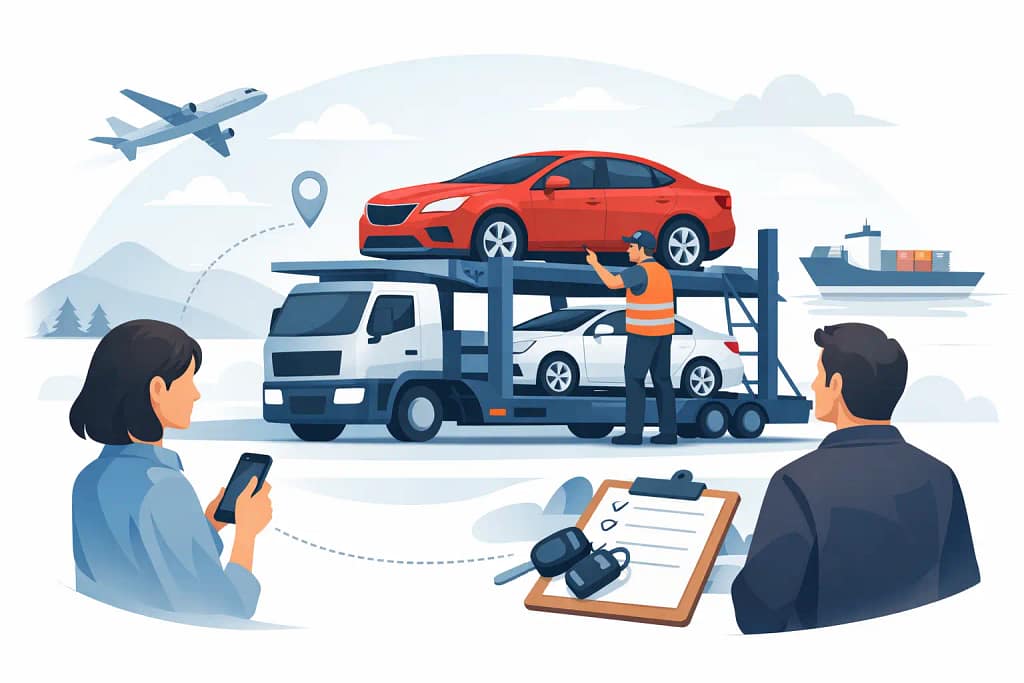
A great deal can become a stressful purchase the moment you realize the vehicle is 1,200 miles away, sitting at a dealership, auction lot, or private seller’s driveway. Knowing how to transport car after purchase helps you protect the vehicle, control your costs, and avoid making a rushed decision based only on the lowest price.
The right method depends on the car’s condition, distance, value, timeline, and your comfort with a long drive. A reliable daily driver bought two states away may be suitable for a road trip. A classic, exotic, non-running vehicle, or car purchased sight unseen usually calls for professional transport. Start by looking at the full picture, not just the cost of getting it home.
Choose How You Want to Move the Vehicle
Most buyers have three practical choices: drive the car home, tow it yourself, or hire an auto transport company. Each option has a place, but the cheapest-looking choice is not always the least expensive once fuel, lodging, risk, time off work, and wear on the vehicle are included.
Drive It Home
Driving can make sense when the car is nearby, running well, properly registered or legally permitted for transit, and you have time for the trip. It also gives you an immediate chance to get familiar with the vehicle and identify any concerns before you get too far from the seller.
Before leaving, confirm that the vehicle has enough fuel, safe tires, working lights, current fluids, and no warning lights that need attention. Ask the seller for maintenance records and make sure you understand the vehicle’s insurance status. Your existing policy may provide a short grace period for a newly purchased car, but coverage rules vary. Call your insurer before you get behind the wheel.
A long drive adds mileage, exposes the car to road debris and weather, and can create problems if the vehicle has been sitting for an extended period. For a collector car or an unfamiliar used vehicle, those risks are often not worth taking.
Tow It Yourself
Renting a trailer or using your own truck and car hauler may work for experienced drivers moving a vehicle over a shorter distance. It is more controlled than driving the purchased car, but it comes with real responsibilities.
You need a tow vehicle with sufficient towing capacity, the correct trailer, secure tie-down equipment, and confidence handling extra length, weight, braking distance, and turns. A vehicle that cannot be driven onto a trailer may also require a winch. Rental availability, one-way fees, fuel use, and hotel costs can add up quickly on longer routes.
This option is usually best for buyers who already have the right equipment and towing experience. If you would need to rent everything and learn on the trip, professional shipping is often the safer path.
Hire a Professional Auto Transport Company
Professional transport is the most practical choice for long-distance purchases, online vehicle buys, relocations, and higher-value vehicles. A carrier picks up the car and delivers it to an agreed location, allowing you to avoid the travel and coordination of bringing it home yourself.
For most standard vehicles, open transport offers dependable service at the most economical rate. The car travels on an open multi-car trailer, similar to the trucks that deliver new vehicles to dealerships. It is a common, safe option for daily drivers, SUVs, and trucks.
Enclosed transport costs more but provides additional protection from weather, road dust, and debris. It is a smart consideration for luxury, exotic, classic, antique, or freshly restored vehicles. If the vehicle does not run, has very low ground clearance, oversized tires, or custom modifications, disclose that before requesting a quote. Those details affect the equipment and planning required.
How to Transport a Car After Purchase With Less Risk
The shipping process should be straightforward, but good preparation prevents avoidable delays. Once you know the vehicle’s pickup and delivery locations, get a quote based on accurate information. Provide the year, make, model, condition, operating status, modifications, and desired dates. A quote that seems unusually low may not include the service level or carrier availability you expect.
Ask whether the price is all-inclusive and whether there are possible charges for inoperable vehicles, oversized vehicles, difficult pickup locations, expedited service, or changes made after booking. Transparent pricing means you know what is included before the carrier is dispatched, not after your car is already loaded.
You should also confirm that the carrier is licensed and insured. A reputable transport provider can explain its insurance coverage and how damage claims are handled. Keep in mind that carrier insurance is intended for transport-related damage. It does not replace your own auto policy, and it may not cover pre-existing damage or loose personal items left inside the vehicle.
Timing matters, especially if you purchased from a dealer, auction, or private seller who needs the car removed by a specific date. Standard auto transport schedules depend on route demand, carrier capacity, weather, and pickup accessibility. Expedited service may be available when time is tight, but it generally costs more. If your dates are flexible, you may have more carrier options and a better rate.
Prepare the Car for Pickup
Once transport is arranged, coordinate closely with the seller or dealership. They should know the estimated pickup window, have the keys ready, and be able to release the vehicle to the carrier. If you cannot be present at delivery, designate an adult who can inspect and accept the car on your behalf.
Before pickup, make sure the vehicle is accessible and has enough room around it for a safe inspection. Remove personal belongings, toll tags, parking passes, and loose accessories. Most carriers do not allow household goods in transported vehicles, and items left inside may not be covered by cargo insurance.
Take clear, time-stamped photos of all sides of the vehicle, the wheels, windshield, roof, interior, and any existing scratches or dents. This is not about expecting a problem. It is simply the best way to document the car’s condition before transport.
The driver will also complete a bill of lading at pickup. Review it carefully before signing. It records the vehicle’s visible condition and becomes the primary reference at delivery. For running vehicles, leave about a quarter tank of fuel. That is enough for loading and unloading without adding unnecessary weight.
If the car is inoperable, tell the transporter exactly what it can and cannot do. For example, the steering may be locked, the brakes may not work, or the battery may be dead. Accurate information allows the carrier to bring the right equipment instead of discovering a complication at the pickup location.
Plan for Delivery Day
Delivery is not always a matter of a full-size car hauler pulling directly into a residential cul-de-sac. Large transport trucks need space to turn, park, and load safely. In tight neighborhoods, the driver may suggest meeting at a nearby shopping center, wide street, or other accessible location.
Stay reachable as delivery approaches. Reliable communication makes a meaningful difference when traffic, weather, or road restrictions affect the schedule. When the car arrives, inspect it in daylight if possible and compare its condition with your pickup photos and bill of lading.
Look over the exterior, glass, wheels, and lower body panels before signing the delivery paperwork. If you see new damage, note it clearly on the bill of lading before the driver leaves, take photos, and contact the transport company right away. Do not rely on a verbal conversation alone. Proper documentation protects your ability to start a claim if one is needed.
After accepting delivery, check the battery, tire pressure, fluids, and fuel level before taking a long drive. This is particularly helpful for cars that have been stored, transported through changing temperatures, or purchased from an unfamiliar seller.
Match the Transport Service to the Purchase
Not every newly purchased car needs the same treatment. A standard commuter vehicle moving from Texas to Florida may be an ideal fit for open, door-to-door transport. A collector vehicle bought at an auction may need enclosed service, careful loading, and a pickup plan that works with the auction’s release rules. Military moves, seasonal relocations, and dealer purchases may require firm dates or quicker dispatch.
The best decision is the one that protects the vehicle and fits your real timeline, not the one that looks cheapest on the first quote. Pro Auto Carriers helps buyers arrange nationwide transport with clear communication, vetted and insured carriers, and options for everything from everyday cars to specialty vehicles.
Give yourself enough time to verify the paperwork, document the condition, and choose a transport plan that matches the car you just bought. That small amount of preparation can make delivery feel like the exciting final step of the purchase, rather than another problem to solve.