
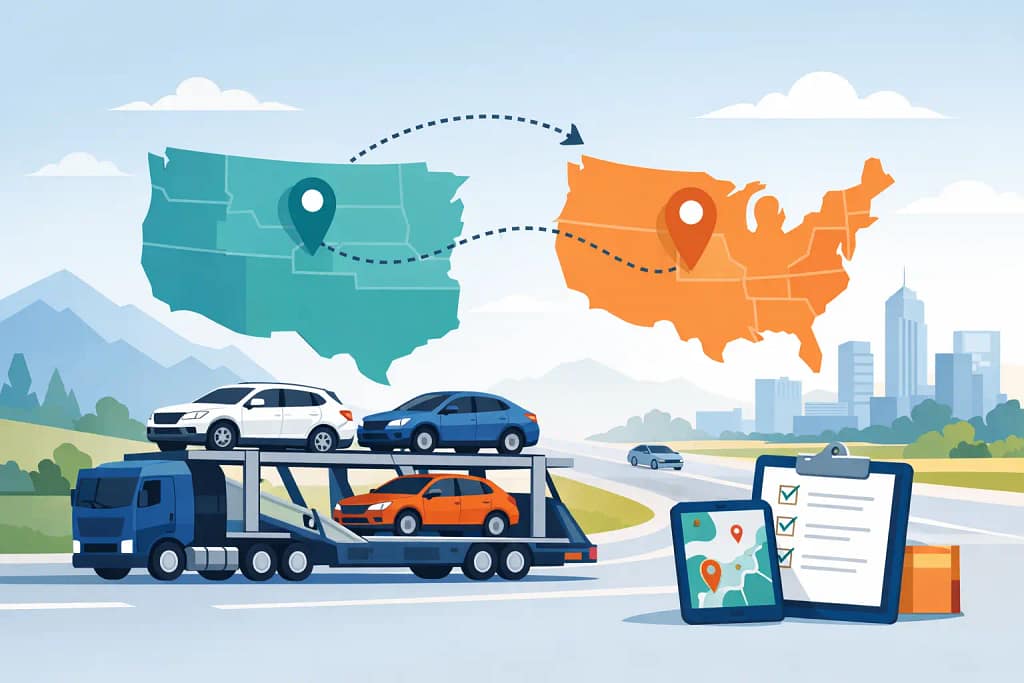
Moving a vehicle across state lines usually starts with one big question: how do you get it there without wasting time, overpaying, or wondering where your car is? This state to state car shipping guide is built to answer that clearly, whether you’re relocating, buying a car online, sending a student vehicle to campus, or arranging transport for a classic car that needs careful handling.
Car shipping is simple when the process is explained well and the service is handled by real people who stay in touch. It gets stressful when quotes are vague, timelines are overpromised, or important details get buried until the last minute. The goal is not just to move a vehicle from one state to another. The goal is to do it safely, on schedule, and with zero surprises.
How state to state car shipping works
At a basic level, state to state car shipping means a licensed carrier picks up your vehicle in one state and delivers it in another. Most shipments are door-to-door, which means the carrier gets as close to your pickup and drop-off addresses as safely and legally possible. If your street has tight turns, low branches, or HOA restrictions, pickup may happen at a nearby open lot or shopping center instead.
The process usually starts with a quote based on your route, vehicle type, timing, and transport method. Once your order is scheduled, the carrier is assigned, pickup is arranged, and the vehicle is inspected before loading. At delivery, the vehicle is inspected again and compared to the original condition report.
That sounds straightforward because it is, but a few details make a major difference. The route matters. So does the type of trailer. A standard sedan moving between major metro areas is easier and often less expensive to ship than a lifted truck headed to a rural address. Flexible timing can also affect price and availability.
Choosing the right transport option
The right shipping method depends on your vehicle, your budget, and how much protection you want during transit.
Open transport is the most common option. Your vehicle rides on an open trailer, the same style commonly used to deliver cars to dealerships. It is cost-effective, widely available, and a smart fit for most daily drivers, family SUVs, and standard pickups.
Enclosed transport offers added protection from weather, road debris, and outside exposure. This is often the better choice for luxury, exotic, classic, antique, or custom vehicles. It costs more than open transport, but for high-value cars, the extra protection is often worth it.
Door-to-door transport is preferred by most customers because it saves time and reduces coordination. Terminal-to-terminal transport can work in some situations, but it usually adds extra logistics and is less convenient unless you already have access to terminal locations.
If you need a vehicle moved quickly, expedited shipping may be available. This can help when you are working around a firm relocation date or a time-sensitive purchase, but faster scheduling often comes at a higher price.
What affects the cost
Pricing is one of the biggest concerns in any state to state car shipping guide, and for good reason. Customers want a fair quote, but they also want to know what that quote actually covers.
Distance is a major factor, but it is not the only one. The route itself matters. Shipping between popular corridors such as Florida to Texas or California to Arizona is usually more efficient than shipping to or from a remote area. Vehicle size and weight also affect cost because larger vehicles take up more trailer space and add load weight.
Seasonality can change pricing too. Rates often rise during peak moving periods, snowbird season, and weather-heavy months when routes become more difficult. Vehicle condition matters as well. If a car does not run, steer, or brake properly, it may require special equipment to load and unload, which can increase the total cost.
The most important pricing issue is transparency. A low quote is not a good deal if it leaves out key details or leads to surprise fees later. A dependable quote should reflect the actual transport needs of your shipment, not just a number designed to get your attention.
How long shipping usually takes
State-to-state shipping timelines depend on mileage, route demand, weather, traffic, and how easily a carrier can access pickup and drop-off locations. Shorter regional shipments may take a few days. Cross-country moves often take one to two weeks.
Pickup windows matter just as much as transit time. In auto transport, carriers usually work within estimated windows rather than exact appointment times. That is normal in this industry because trucks are moving on active routes with changing traffic and loading conditions.
Good communication makes this easier. When customers know the expected window, receive updates, and can reach a real person if plans shift, the process feels controlled. When communication disappears, even a routine shipment starts to feel risky.
How to prepare your vehicle before pickup
Preparation does not take long, but it helps avoid delays and confusion.
Wash the vehicle so existing dents, scratches, or chips are easy to see during inspection. Remove personal items unless you have been clearly told what is allowed. Secure or remove loose accessories, toll tags, and custom add-ons that could shift in transit. Leave about a quarter tank of fuel, which is enough for loading and unloading without adding unnecessary weight.
You should also make sure the battery is charged, tires are inflated, and there are no major fluid leaks. If the vehicle has quirks like a difficult ignition, low ground clearance, or a sensitive alarm system, mention that before pickup. Small details like that help the carrier plan properly and handle the vehicle with care.
Insurance, inspections, and peace of mind
A fully licensed and insured carrier should inspect your vehicle at pickup and delivery. This inspection is documented on the bill of lading, which records the vehicle’s condition before transport begins and after it ends.
Insurance matters, but so does understanding what it covers. Carrier cargo insurance typically applies during transit, yet customers should still ask clear questions about coverage limits and claims procedures. If you are shipping a collector or exotic vehicle, it is reasonable to ask more detailed questions and request enclosed transport for added protection.
The inspection process is not just paperwork. It is one of the main ways to keep the shipment accountable from start to finish. A careful inspection, good photos, and clear communication all work together.
When specialized shipping makes sense
Not every shipment fits the standard mold. Some vehicles need more planning.
Luxury and exotic cars often benefit from enclosed trailers and careful scheduling. Classic and antique vehicles may need gentler loading angles and extra attention at pickup. Motorcycles require proper strapping and equipment designed for two-wheel transport. Inoperable vehicles need carriers equipped to winch or lift them safely.
There is no one-size-fits-all answer here. Paying for a higher level of service is not always necessary, but for sensitive or high-value vehicles, it can be the smarter decision. The best transport plan matches the vehicle, not just the route.
How to choose a company without second-guessing it
A reliable shipper should be easy to reach, clear about pricing, and honest about timelines. If getting a straight answer feels difficult before you book, it usually does not improve after pickup.
Look for a company that explains the process in plain English, confirms whether the carrier is vetted and insured, and tells you what to expect at each stage. You should know how updates will be handled, what happens if schedules shift, and whether the quote includes the actual services you need.
This is where direct support matters. Pro Auto Carriers is built around that kind of hands-on communication because most customers are not just buying transport. They are buying confidence that the vehicle will be handled correctly and that someone will answer the phone if they need help.
Common mistakes to avoid
The biggest mistake is choosing based on the lowest number alone. Cheap quotes can hide weak coordination, poor communication, or fees that show up later.
Another common issue is waiting too long to book, especially during high-demand seasons. Last-minute transport can still be arranged in many cases, but flexibility usually leads to better pricing and smoother scheduling. Customers also run into trouble when they forget to disclose that a vehicle is inoperable, oversized, or heavily modified. Accurate details from the start prevent delays and protect the quote.
A practical state to state car shipping guide for first-time shippers
If this is your first shipment, keep the focus on four things: clear pricing, the right trailer type, realistic timing, and responsive support. Everything else flows from there.
Ask what is included in the quote. Confirm whether your route supports door-to-door service. Be upfront about the condition and dimensions of the vehicle. Then choose a company that treats communication as part of the service, not an afterthought.
Shipping a car to another state does not have to feel uncertain. When the quote is honest, the carrier is qualified, and updates are consistent, the process becomes a lot more manageable. The right transport partner should make it feel that way from the first conversation onward.