
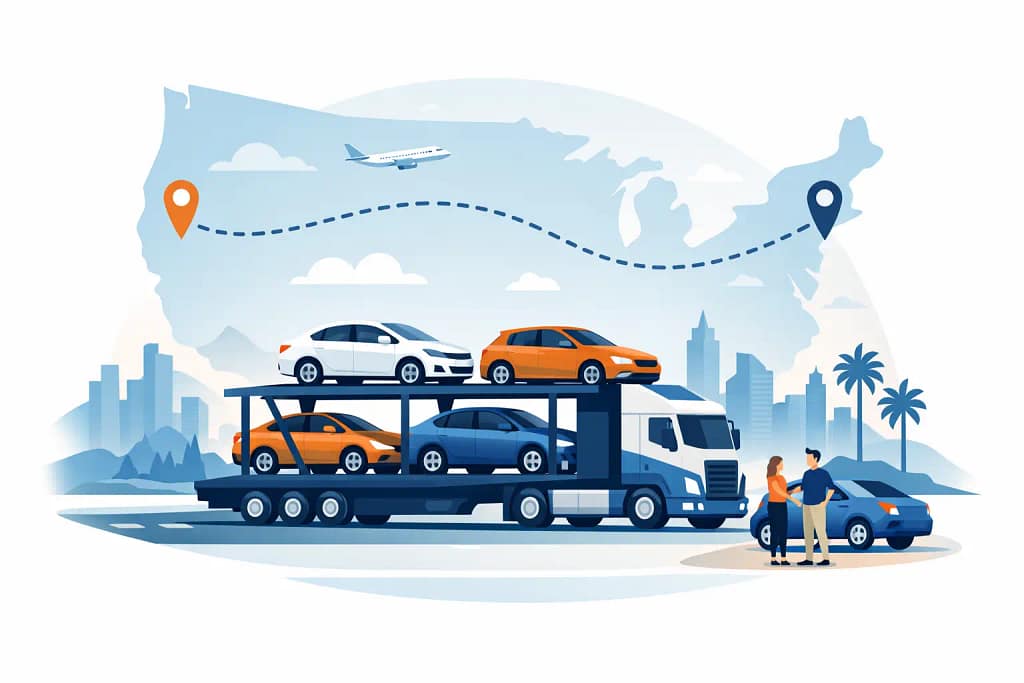
Shipping a vehicle from Florida to California or New York to Arizona usually starts with one question: how do you get your car there without adding risk, delays, or hidden costs? Cross country car transport solves that problem, but the experience can vary a lot depending on the company you choose, the route, and the type of vehicle you’re moving.
For some customers, this is a standard sedan heading to a new home after a job relocation. For others, it is a classic car that cannot afford weather exposure, a motorcycle that needs secure handling, or an inoperable vehicle that requires special equipment at pickup. The basics are simple, but the details matter. When you understand how the process works, it becomes much easier to choose the right service and avoid the common frustrations people run into with auto shipping.
How cross country car transport works
At its core, the process is straightforward. A carrier is assigned to your route, your vehicle is scheduled for pickup, it is loaded onto a trailer, moved across state lines, and delivered to the destination. What makes the experience either smooth or stressful is the planning around that process.
The first step is getting a quote based on your vehicle, route, timing, and service level. Distance is a major factor, but it is not the only one. Transporting a car from a major metro area to another major metro area is often easier than moving a vehicle to or from a rural location. Season also affects pricing and timing. Summer moves, snowbird traffic, and winter weather can all change route demand.
Once your shipment is booked, the pickup window is scheduled. Most long-distance auto transport does not work like parcel delivery with an exact appointment time weeks in advance. Trucks are moving on multi-vehicle routes, and traffic, weather, and earlier pickups can affect timing. A good transport partner explains this upfront and keeps communication clear instead of leaving you guessing.
At pickup, the driver inspects the vehicle and records its condition on a bill of lading. This step protects both sides. You should expect the same process at delivery, where the vehicle is inspected again before final sign-off.
Open vs. enclosed cross country car transport
Most vehicles shipped across the country move on open carriers. This is the standard option because it is more available and more cost-effective. If you are transporting a daily driver, family SUV, or standard pickup truck, open transport is usually the practical choice.
Enclosed transport is designed for vehicles that need more protection. That often includes luxury cars, exotic vehicles, antiques, restored classics, and custom builds with low ground clearance. The added cost pays for a higher level of shielding from road debris and weather, plus more specialized handling.
Neither option is automatically right for everyone. It depends on the vehicle, your comfort level, and the value of added protection. If replacing or repairing a part would be expensive or difficult, enclosed shipping often makes sense. If the vehicle is a standard commuter car and budget matters most, open transport is usually the better fit.
What affects car shipping cost
Pricing is one of the biggest concerns for customers arranging cross country car transport, and for good reason. Many people have heard stories about low quotes that rise later, or vague estimates that do not reflect the actual shipment.
A legitimate quote should be based on real transport conditions. Distance matters, but so do vehicle size and weight, the route, seasonality, fuel costs, and how flexible your schedule is. A full-size truck costs more to ship than a compact sedan because it takes up more trailer space and adds more weight. An inoperable vehicle may require a winch or forklift service, which also affects price.
Timing can change cost as well. If you need expedited pickup, you will usually pay more than someone with a wider scheduling window. The same is true during peak demand periods, especially on popular snowbird routes between northern states and warmer destinations.
The cheapest number is not always the best value. If a quote seems far below the market, it may leave room for poor communication, long delays, or surprise charges later. Clear, upfront pricing is usually a better indicator of a reliable experience than a rock-bottom estimate.
Timing expectations for a cross-country move
One of the most common misunderstandings in vehicle shipping is delivery speed. Cross-country routes take time, and honest expectations matter.
A shorter interstate move might be completed in a few days, while a true coast-to-coast shipment often takes a week or more depending on route conditions and scheduling. Weather, traffic, road closures, and DOT driving-hour rules all affect transit time. Carriers also build routes around multiple pickups and deliveries, which is part of how transport stays cost-effective.
That does not mean you should accept silence or uncertainty. Reliable service means knowing what stage your shipment is in, when pickup is expected, and when delivery is likely to happen. Real support from real people makes a major difference here, especially if this is your first time shipping a vehicle.
Preparing your vehicle for transport
A little preparation reduces delays and protects your shipment. Your vehicle should be clean enough for an accurate inspection, with existing damage visible before loading. Personal belongings should be removed unless your transport provider clearly allows limited items and explains the rules. Loose items can shift during transit, and personal property is generally not treated the same way as the vehicle itself.
Your fuel level should usually be around a quarter tank. That is enough for loading and unloading without adding unnecessary weight. You should also check for leaks, make sure the battery is charged, and confirm the tires are properly inflated. If the vehicle has quirks like a tricky ignition, alarm issue, or low clearance, share that before pickup day so the driver can plan for it.
For inoperable vehicles, modified cars, lifted trucks, or specialty units, advance notice is essential. These are absolutely shippable, but they may require the right trailer or loading equipment.
Choosing a company without getting burned
The auto transport industry has strong providers and weak ones, and customers often do not know the difference until something goes wrong. The safest approach is to look beyond the initial quote.
A dependable company should be fully licensed and insured, clear about the service being offered, and easy to reach before and after booking. Communication matters more than many people realize. If it is difficult to get a straight answer before your order is placed, it usually does not get better once your car is on the schedule.
Ask how updates are handled, what the pickup window looks like, whether the quote includes all known charges, and what type of carrier is best for your vehicle. If you are shipping a collector car, motorcycle, or non-running vehicle, make sure the company has real experience with that type of move.
This is where a hands-on transport partner stands apart from companies that operate with little support and too many surprises. Pro Auto Carriers is built around that difference – clear quotes, vetted carriers, direct communication, and service that stays responsive from pickup through delivery.
When door-to-door transport makes the most sense
For most customers, door-to-door service is the easiest option. It means the carrier picks up and delivers as close to your stated addresses as safely and legally possible. In residential neighborhoods with narrow roads, low branches, or parking restrictions, the truck may meet you nearby at a larger access point such as a shopping center or wide side street.
Terminal-to-terminal shipping can work in certain situations, especially if flexibility matters more than convenience. But for families relocating, seasonal movers, online car buyers, and busy owners trying to keep the process simple, door-to-door transport removes a lot of friction.
That is really what good cross-country shipping should do. It should reduce stress, not add another moving part to manage.
If you are planning a long-distance vehicle move, focus on the things that actually protect your time and your car: honest pricing, insured carriers, realistic timing, and communication you do not have to chase. A well-run shipment feels controlled from the start, and that peace of mind is worth more than a quote that only looks good on paper.