
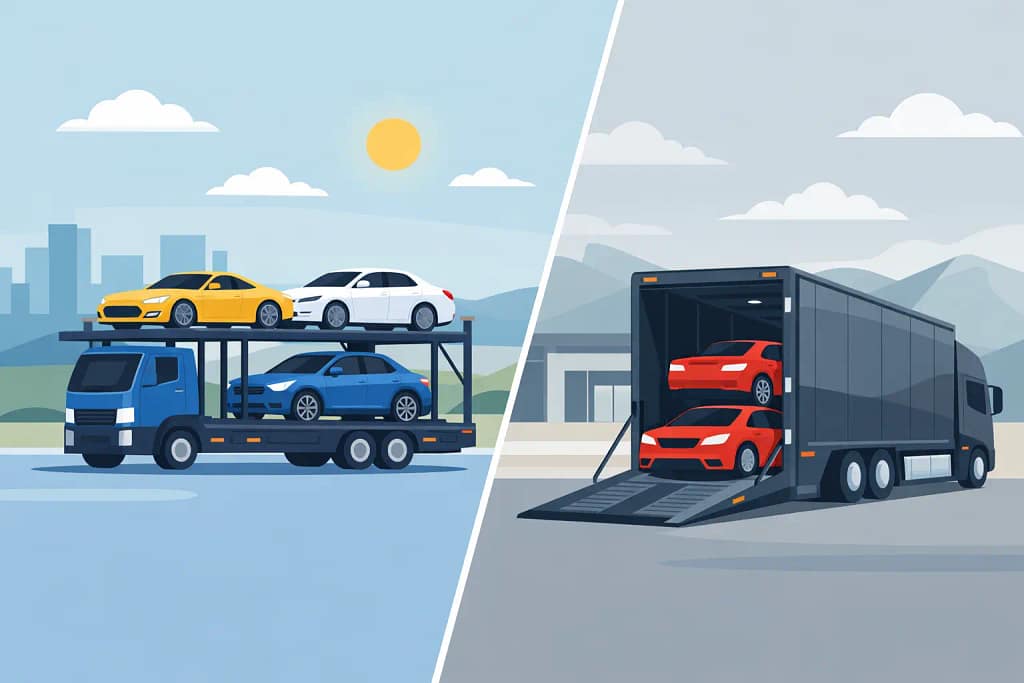
A cross-country move, a recent online vehicle purchase, or a seasonal relocation can make one decision feel bigger than it should: open vs enclosed car shipping. Both services move vehicles safely across the country, but they protect your vehicle in different ways and come with different price points, availability, and scheduling considerations.
For many customers, open transport is the practical, dependable choice. For a collector car, exotic vehicle, or a car with a flawless custom finish, enclosed transport may be worth the added investment. The right answer depends less on which option is universally better and more on the vehicle, the route, the season, and your comfort level with exposure to normal road conditions.
Open vs Enclosed Car Shipping at a Glance
Open car shipping uses the multi-level trailers most people recognize from highways and dealership deliveries. Vehicles are securely loaded onto an open carrier and transported with other cars, trucks, or SUVs. It is the most common method of auto transport in the United States because carriers are widely available and can move several vehicles on one route.
Enclosed car shipping places your vehicle inside a covered trailer. The vehicle is protected from weather, road debris, dust, and public visibility while in transit. Enclosed carriers typically carry fewer vehicles than open trailers, and many are equipped with lift gates or extended ramps that make loading low-clearance or specialty vehicles safer.
Neither option means a vehicle is handled casually. A properly arranged shipment should include a carrier that is licensed and insured, a documented vehicle inspection at pickup and delivery, and clear communication about the expected delivery window. The difference is the level of physical protection around the vehicle during the trip.
Why Open Transport Works for Most Vehicles
Open transport is the standard choice for daily drivers, family SUVs, pickups, and most vehicles being moved for a relocation, college, military assignment, or online purchase. It offers a strong balance of cost, carrier availability, and dependable service.
Because there are more open carriers on the road, pickup dates are often easier to arrange. This can matter on popular routes, but it is especially helpful for customers shipping from smaller cities or rural areas where enclosed equipment may be less common. A larger carrier network also gives more flexibility when schedules change.
The main trade-off is exposure. Your vehicle will be outside for the trip, just as it would be while parked in a driveway or driven on the highway. Rain, snow, dirt, and normal road dust are possible. In rare cases, road debris can cause damage, which is why reviewing the carrier’s insurance coverage and completing an accurate inspection report are essential.
For a well-maintained everyday vehicle, that exposure is usually an acceptable trade for lower shipping costs. A wash after delivery is often all that is needed.
When Open Shipping Is the Smart Choice
Open transport is generally a good fit when the vehicle is a standard daily driver, resale value is not tied to a show-quality finish, and keeping the shipment budget manageable is a priority. It is also a practical choice for multiple-vehicle moves. Since open trailers carry more vehicles, they are often the more efficient way to transport two or more cars.
An inoperable vehicle can also ship on an open carrier, provided the carrier knows about its condition in advance. Equipment such as a winch may be needed, and that can affect pricing and trailer assignment. Clear details upfront help avoid delays or surprise adjustments at pickup.
What Enclosed Car Shipping Adds
Enclosed transport is designed for vehicles where condition and presentation carry extra weight. Classic cars, antiques, luxury models, exotics, race cars, restored vehicles, and heavily modified cars are common candidates. It is also a strong option for a vehicle with a very low front end, delicate bodywork, or a finish you want protected from every avoidable risk.
The covered trailer provides a controlled barrier from rain, snow, hail, road grime, and debris. That does not mean enclosed shipping eliminates every risk associated with transport, but it significantly reduces exposure during a long trip. It can also offer added privacy for a high-value vehicle.
Many enclosed carriers use specialized loading equipment. A lift gate can keep a low-clearance vehicle level as it enters and exits the trailer, reducing the chance of scraping. Soft tie-down methods and careful placement are also common with specialty equipment. Ask how the carrier plans to load your particular vehicle, especially if it has an aftermarket suspension, extended splitter, wide tires, or limited ground clearance.
Why Enclosed Shipping Costs More
Enclosed transport usually costs more than open shipping because the equipment is more specialized, carries fewer vehicles, and is less widely available. The exact difference varies by route, season, vehicle size, pickup flexibility, and how quickly you need the vehicle moved. It is not unusual for enclosed service to cost substantially more, particularly on less-traveled routes.
That added cost is often reasonable when a small amount of damage could be expensive to repair or could reduce a vehicle’s value. Repainting a rare color, repairing a custom carbon-fiber component, or correcting damage to a concours-level restoration can cost far more than the difference between open and enclosed service.
For a standard sedan headed to a new home, however, paying for an enclosed trailer may not deliver enough practical benefit to justify the premium. This is where an honest conversation about the vehicle and your priorities matters.
Compare Cost, Timing, and Protection Before You Book
Price should be part of the decision, but it should not be the only factor. The lowest quote can create problems if it does not reflect the actual vehicle, route, timing, or service requested. A quote for an operable compact sedan will not accurately cover a lifted truck, a non-running SUV, or a low-clearance sports car that requires special loading.
Open transport is usually more affordable and may offer faster carrier availability. Enclosed transport provides greater protection but can require more scheduling flexibility. If your delivery date is firm, such as a military report date, a home closing, or a vehicle event, communicate that early. Expedited service may be available, but it should be arranged based on realistic route conditions rather than a promise that ignores traffic, weather, or carrier hours-of-service rules.
Door-to-door service is available with both open and enclosed shipping in most locations. “Door-to-door” means the driver gets as close as safely and legally possible. Residential streets with tight turns, low branches, parked cars, or local restrictions may require meeting at a nearby wide road, shopping center, or truck-friendly location. This is normal and helps protect both the vehicle and the equipment.
Insurance and Inspections Matter With Either Option
Choosing enclosed shipping does not replace the need for a careful inspection, and choosing open shipping does not mean you should expect poor protection. Every shipment should start with a condition report that documents existing scratches, dents, chips, and mechanical concerns. Take clear, time-stamped photos from all sides before pickup, including close-ups of any existing damage.
At delivery, inspect the vehicle before signing the final paperwork. Compare its condition with the pickup report and your photos. If you see a new issue, note it on the delivery document before the driver leaves and contact your transport coordinator promptly. A documented process gives everyone a clear record and helps ensure any concern is handled correctly.
Ask direct questions before booking: Is the assigned carrier fully licensed and insured? What coverage applies during transit? Will the vehicle be loaded on a lift gate if it has low clearance? Is the quote based on the correct vehicle condition and pickup location? Straight answers at the beginning prevent confusion later.
How to Choose the Right Transport Option
Start with the vehicle’s value to you, not just its market price. A daily driver you need at your new address is different from a classic car you have spent years restoring. Consider the route and season too. A long winter route or a trip through areas with frequent road construction may make enclosed transport more appealing for a sensitive vehicle.
Then consider your schedule. If you need the broadest availability and the most budget-friendly option, open shipping is likely the better fit. If the vehicle needs maximum protection, specialized loading, or greater privacy, enclosed transport is usually the better choice.
Pro Auto Carriers helps customers compare those options based on the actual shipment, not a one-size-fits-all answer. The goal is simple: a clear quote, a properly matched carrier, and real support from pickup through delivery.
Before your vehicle is loaded, remove personal items, leave about a quarter tank of fuel, disable alarms if needed, and share any special instructions with your coordinator. A little preparation, paired with the right trailer choice, keeps the shipment straightforward and gives you confidence when the keys change hands at delivery.