
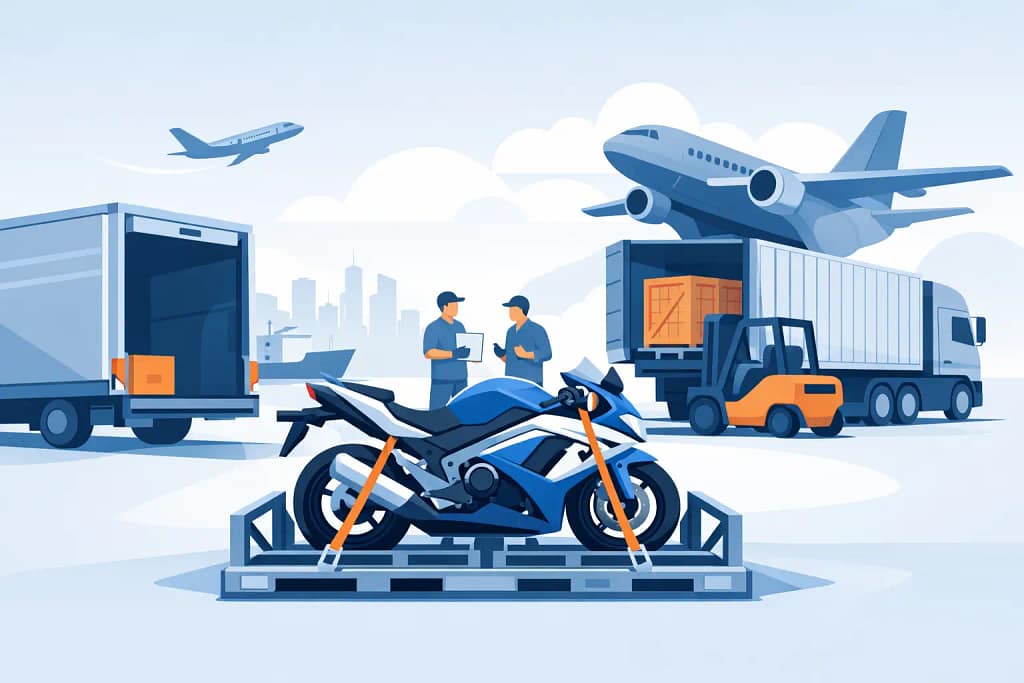
You notice the difference between a good motorcycle shipping service and a bad one long before the bike reaches its destination. It shows up in the quote, the communication, and whether someone gives you a straight answer when you ask how your motorcycle will actually be handled. If you are moving, buying a bike out of state, heading south for the season, or shipping a collector motorcycle, the goal is simple – get it there safely, on schedule, and without last-minute surprises.
That sounds basic, but this industry often makes a straightforward job feel more complicated than it needs to be. The problem usually is not the transport itself. It is unclear pricing, poor coordination, or vague promises about timing and protection. A dependable shipper removes that friction. You should know what you are paying for, what kind of trailer is being used, when pickup is expected, and who to call if plans shift.
What a motorcycle shipping service should actually include
At minimum, a professional motorcycle shipping service should cover secure loading, proper tie-down procedures, insured transport, and clear pickup and delivery coordination. Those are not add-ons. They are the baseline for moving a motorcycle responsibly across town or across the country.
Where services start to differ is in the handling. Motorcycles are lighter and more exposed than standard passenger vehicles, which means the method matters. A bike that is strapped incorrectly can shift in transit. A low-clearance custom motorcycle may need extra care during loading. A vintage bike may be less about speed and more about protection from road debris and weather.
That is why the cheapest option is not always the smartest one. If a quote sounds unusually low, it is worth asking what is included, what type of carrier is being assigned, and whether the timing is realistic. A low number on paper can turn into delays, rushed handling, or surprise charges later.
Open vs. enclosed motorcycle shipping service
Most motorcycle moves come down to one main choice: open transport or enclosed transport. Both can be appropriate. The right option depends on the value of the bike, the route, the season, and your comfort level.
Open transport is usually the more budget-friendly choice. It works well for many standard motorcycles and for owners who want reliable shipping without paying for a higher level of shielding. The bike is still secured and transported by a professional carrier, but it is more exposed to weather and road conditions during the trip.
Enclosed transport costs more, but it adds a stronger layer of protection. For luxury motorcycles, custom builds, rare models, antique bikes, or show bikes, that extra protection is often worth it. If you have already invested heavily in the machine, it makes sense to be equally careful about how it travels.
There is no universal rule here. A newer daily rider headed a few states over may be perfectly fine on an open trailer. A restored vintage motorcycle going cross-country is a different conversation. Good transport support means helping you match the service to the bike instead of pushing the same option every time.
How motorcycle shipping prices are usually determined
Pricing is one of the first things people ask about, and understandably so. But a motorcycle shipping quote is not pulled from a flat chart. It is based on distance, route demand, pickup and delivery locations, trailer type, timing, and the motorcycle itself.
Longer routes often have a lower per-mile rate than shorter shipments, but the total cost is still higher. Rural pickup or delivery points can also affect price because carriers may need to adjust their route or cover less efficient mileage. If you need enclosed transport or faster scheduling, expect that to raise the rate.
The bike can matter too. A standard motorcycle is different from an oversized touring bike, a trike, or a heavily modified custom build. If the vehicle has unusual dimensions or handling needs, the quote should reflect that upfront.
The most important part is transparency. A reliable quote should explain what is included and whether there is any flexibility around timing. Clear pricing matters more than a suspiciously low estimate that changes once your bike is already booked.
What to expect before pickup
Preparation does not need to be complicated, but it does need to be done right. In most cases, the motorcycle should be clean enough for a clear pre-shipping inspection. Dirt and road grime can hide cosmetic issues, and both you and the carrier want an accurate condition report before transport begins.
You should also remove loose personal items and non-permanent accessories if possible. Saddlebags, phone mounts, detachable windshields, and similar items can shift or get damaged in transit if they are not secured properly. If your bike has any quirks – a hard-start issue, a sensitive alarm, a custom fairing, or very low ground clearance – mention that before pickup, not when the driver arrives.
Fuel levels are typically kept low, usually around a quarter tank or less. That helps reduce unnecessary weight while still allowing the bike to be loaded and unloaded as needed. A reputable carrier or coordinator should tell you exactly what is expected ahead of time so there is no guesswork.
Why communication matters as much as transport
People often focus on the truck and trailer, but the real stress usually comes from not knowing what is happening. Has the bike been assigned? Is pickup still on track? What happens if weather affects the route? Can someone actually answer the phone?
This is where service quality becomes obvious. Good communication keeps a normal transport from feeling uncertain. You should not have to chase updates or wonder whether your shipment is still moving according to plan. Real support means real people who can explain timing, confirm details, and respond quickly if something changes.
That is one reason many customers choose companies that prioritize hands-on coordination instead of treating every shipment like a number in a queue. When the process is managed well, it feels controlled. When it is not, even a routine shipment can feel risky.
Choosing the right motorcycle shipping service
Not every transport provider handles motorcycles with the same level of care. Some treat them like a side offering. Others understand that bikes require their own equipment considerations, loading practices, and customer communication.
When comparing providers, look beyond the initial quote. Ask whether the carrier is fully licensed and insured. Ask what type of transport is available. Ask how pickup windows work and what kind of updates you can expect during transit. If the bike is especially valuable or specialized, ask how that affects handling and scheduling.
It also helps to pay attention to how clearly questions are answered. A professional company should be able to explain the process without dodging specifics or burying you in jargon. Simple answers are usually a good sign. Confusing ones are not.
For many customers, the best fit is a company that combines nationwide reach with direct support. That balance matters whether you are shipping one motorcycle after a private sale or coordinating multiple vehicles for a relocation. Pro Auto Carriers focuses on exactly that kind of straightforward, insured, no-surprises transport.
Timing, flexibility, and realistic expectations
Shipping timelines depend on more than mileage. Route availability, seasonality, weather, and driver schedules can all affect pickup and delivery timing. That does not mean the process should feel vague. It means you should get realistic expectations instead of promises that sound good but fall apart later.
Expedited shipping can help in some situations, especially when timing is tight, but it usually comes at a higher cost. If you have some flexibility, you may be able to get a better rate or smoother scheduling. If timing is critical, say that early so the quote matches the urgency.
The key is honesty. A good shipping partner does not guarantee impossible dates just to win the job. They explain the likely window, keep you updated, and work to keep the move on track.
When specialized handling is worth paying for
Some motorcycles are easy to move. Others are not. A stock bike with no unusual features is one thing. A lowered custom bike, a rare collector motorcycle, or a high-value touring model with delicate finishes is another.
Specialized handling can include enclosed transport, more careful loading considerations, and tighter coordination around pickup and delivery. It costs more, but for the right bike, that added protection is part of protecting the investment. The same logic applies to seasonal moves, auction purchases, and private-party sales where timing and condition both matter.
A trustworthy transporter will not oversell this. They will explain when standard service is enough and when a more protective option makes sense.
The best motorcycle shipping experience is usually the least dramatic one. The quote is clear, the schedule makes sense, the bike is handled correctly, and your calls are answered. That is what people are really paying for – not just movement from one point to another, but confidence that the job will be done right.