
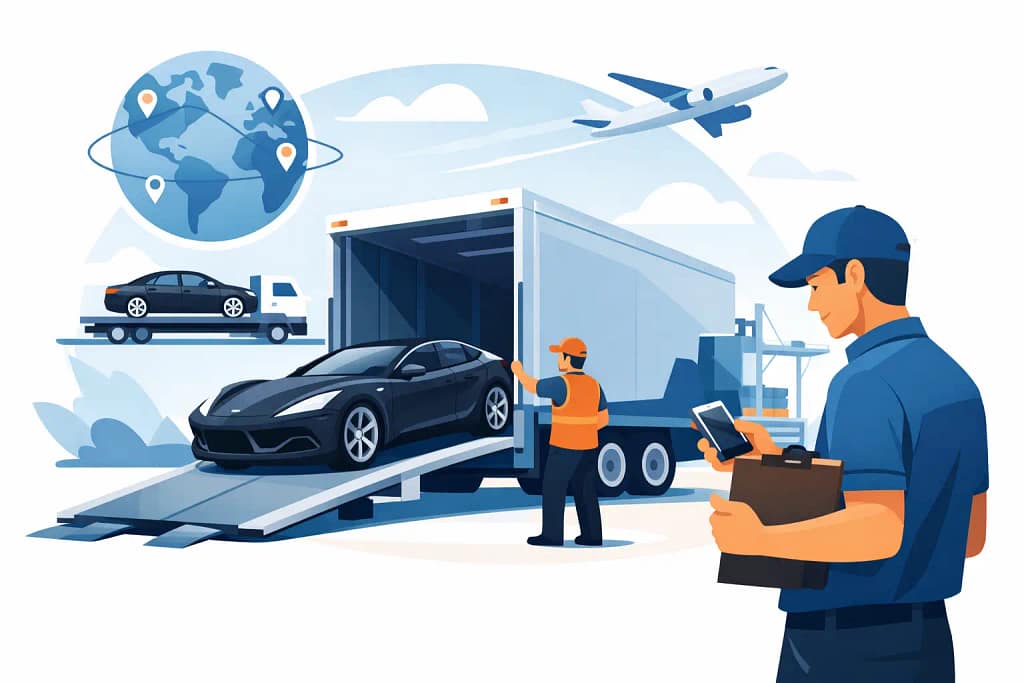
A luxury car can lose value long before any visible damage shows up. A scuffed splitter, a low-clearance scrape, or careless loading can turn an ordinary shipment into an expensive problem. If you are figuring out how to ship a luxury car, the goal is not just getting it from one state to another. The goal is getting it there with the same condition, protection, and attention it started with.
That is why luxury vehicle transport should be handled differently from standard car shipping. The process is not complicated, but it does require better decisions at the beginning. The right carrier type, the right insurance verification, and the right communication all matter more when the vehicle itself carries higher value.
How to ship a luxury car without unnecessary risk
The first decision is usually the most important one – whether to use open or enclosed transport. For most luxury vehicles, enclosed transport is the safer choice. It protects the car from weather, road debris, and the kind of exposure that makes sense for a commuter car but not for a high-value vehicle.
Open transport does cost less, and in some cases it may still be acceptable for a newer luxury SUV or sedan with standard ground clearance and no special finish. But if you are shipping an exotic, a collector vehicle, a custom build, or anything with premium paint, enclosed shipping is usually worth the added cost. It buys protection and peace of mind, which is often the real priority.
Door-to-door service is another factor that matters more with luxury vehicles. Terminal shipping can work, but it introduces extra handoffs and more time away from your control. Door-to-door transport keeps the process tighter and easier to monitor. If direct driveway access is limited, a professional carrier should coordinate a nearby safe meeting point instead of leaving you to figure it out alone.
Choose a carrier that understands high-value vehicles
A luxury car does not just need a truck. It needs a transporter with the right equipment, insurance, and handling standards. This is where many customers run into trouble. A low quote can look attractive until you realize it comes with vague timing, poor communication, or a carrier who treats every vehicle the same.
When you request a quote, ask direct questions. Is the carrier fully licensed and insured? Is enclosed transport available? How are low-clearance vehicles loaded? Will the company provide pickup and delivery updates? These are basic questions, but the answers tell you a lot about whether the shipment will be controlled or chaotic.
Good communication is not an extra. It is part of the service. Luxury car owners usually want clarity on dispatch timing, driver contact, inspection steps, and delivery windows. A reliable transport partner should be able to explain the process clearly without dodging details or overpromising exact times that cannot realistically be guaranteed on the road.
Insurance matters more than the quote
Many customers focus first on price. That makes sense, but with luxury transport, insurance coverage deserves just as much attention. The carrier should have active cargo insurance, and you should understand what it covers before the vehicle is picked up.
Do not assume all coverage is the same. Policy limits vary, and so do exclusions. If your vehicle has a very high market value, ask whether the carrier’s cargo policy is appropriate for that amount. If the car is especially rare or customized, it may also be worth checking with your own auto insurance provider to see whether any additional protection applies during transit.
This is also why pre-shipment documentation matters. Before pickup, take clear, time-stamped photos of the exterior from every angle, along with close-ups of wheels, trim, glass, and any existing marks. If the interior is high-end or customized, document that too. A proper bill of lading at pickup and delivery gives both sides a clear condition record. That is not about expecting problems. It is about removing uncertainty.
Preparing the car for transport
If you want to know how to ship a luxury car properly, preparation is part of the answer. The vehicle should be clean enough for a thorough inspection. Dust and road film can hide chips, scratches, and minor blemishes, which makes condition reports less precise.
Remove personal items from the cabin and trunk unless the transporter has clearly approved limited contents. Loose items can shift during transit, and many carriers restrict personal belongings for insurance and weight reasons. Disable toll tags and parking passes so you do not get charged while the car is moving. Make sure the battery is charged, the tires are properly inflated, and there are no fluid leaks.
Fuel should usually be kept at around a quarter tank. That is enough for loading and unloading without adding unnecessary weight. If the car has specific operating instructions, such as lift mode, a battery cutoff, an alarm procedure, or a very low front end, share that before pickup. For many luxury and exotic vehicles, a few small handling details make a major difference.
Special considerations for low-clearance and exotic cars
Some luxury vehicles need more than enclosed walls around them. Cars with very low ground clearance, carbon fiber bodywork, oversized wheels, or custom suspension often require lift-gate loading or extra ramp care. That should be discussed before the truck arrives, not when the driver is standing in front of the car.
This is one reason experience matters. A transporter who regularly handles high-end vehicles will already know the common pressure points, from soft tie-down methods to loading angles. That reduces the chance of rushed decisions on pickup day.
What affects the cost to ship a luxury car
Luxury transport costs more than standard shipping, but not just because of the badge on the hood. Price is usually driven by transport type, distance, route, vehicle size, timing, and handling requirements.
Enclosed shipping is more expensive than open transport because capacity is lower and protection is higher. Expedited service costs more because it compresses scheduling. Remote pickup or delivery areas can raise the rate because they are harder to route efficiently. A larger luxury SUV will generally cost more than a smaller coupe, and a non-running high-end vehicle may require special equipment.
Season also plays a role. Snowbird routes, summer demand, and weather disruptions can all affect availability and pricing. The cheapest quote is not always the best value if it comes with weak insurance, vague pickup timing, or no real support once the car is assigned.
A transparent quote should tell you what service is included and whether there are any conditions that could affect the final price. Hidden fees are one of the biggest frustrations in auto transport, and they are even harder to tolerate when the vehicle is high-value.
Timing expectations and delivery reality
Luxury car owners often want exact pickup and delivery times. That is understandable, especially during relocations, auctions, seasonal moves, or private sales. But auto transport still operates on real roads, with weather, traffic, equipment limits, and federal driving-hour rules affecting the schedule.
A trustworthy company will give you a realistic pickup window and communicate if anything changes. That is far better than a company that promises a perfect timeline just to win the booking. With high-value vehicles, clear updates matter more than overly polished promises.
If timing is especially important, mention that early. Expedited shipping may be available, and some routes are naturally faster than others. Still, the best results usually come from balancing urgency with proper carrier selection rather than forcing the shipment onto the first truck available.
Delivery day is part of the process too
When the vehicle arrives, inspect it before signing off on delivery. This should happen in good lighting whenever possible. Compare the car against your pickup photos and the original inspection record. If there is any issue, note it on the bill of lading immediately.
Most deliveries go smoothly, especially when the car was prepared properly and moved by a qualified carrier. But a careful final inspection is still part of a smart shipment. It closes the loop and makes sure the paperwork matches the condition of the vehicle.
For customers shipping a luxury car for the first time, the process can feel high-stakes. In reality, it becomes much more manageable once you focus on the right things: enclosed protection, verified insurance, experienced handling, and responsive communication. That is the difference between simply moving a vehicle and transporting it with the level of care it deserves.
If you are planning a shipment soon, take a little extra time on the front end. The right transport setup protects more than the car – it protects your time, your money, and your confidence in the process.