
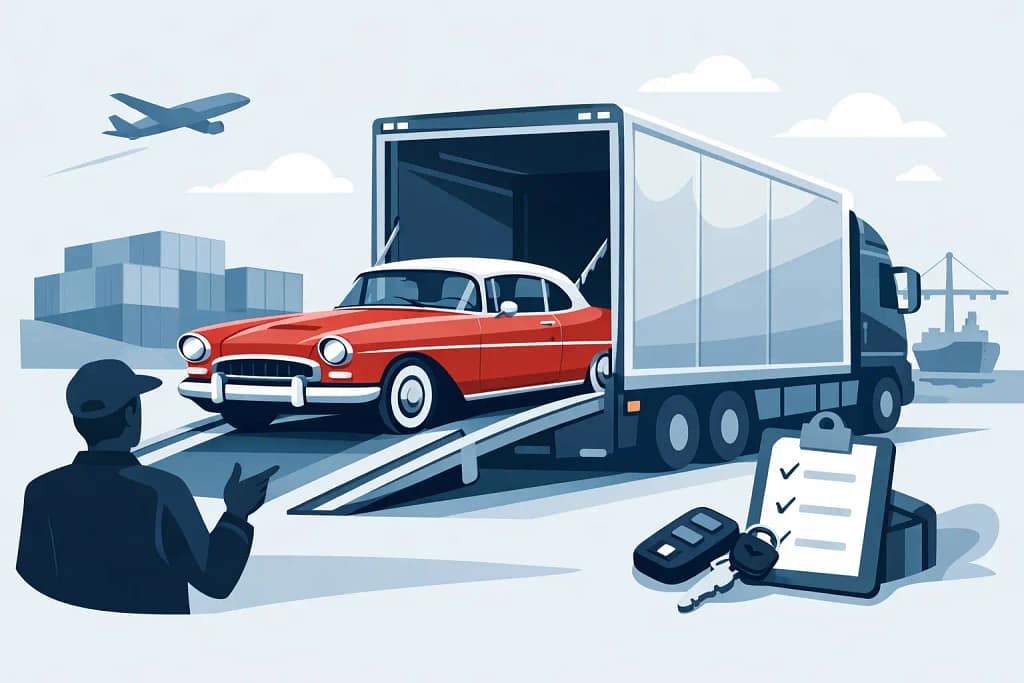
A classic car is not just another vehicle on a trailer. It may have original paint, rare trim, low ground clearance, a hand-built interior, or years of careful restoration behind it. When you need to ship a classic car, the goal is simple – get it from pickup to delivery without damage, confusion, or last-minute surprises.
That starts with choosing the right transport method and asking better questions before you book. Price matters, but with a vintage or collectible vehicle, the cheapest option is rarely the safest option. What matters more is how the car will be loaded, how it will be protected in transit, what insurance applies, and whether you can actually reach someone if plans change.
What matters most when you ship a classic car
Classic vehicles need a different level of planning than standard daily drivers. Age alone changes the job. Older seals can be more fragile, carbureted engines may be less predictable, and custom body lines can create loading issues if the carrier is not prepared.
Condition matters just as much as value. A fully restored muscle car, an unrestored barn-find coupe, and a running but delicate antique sedan all call for different handling. If the car sits low, has oversized tires, leaks fluids, or does not start reliably, those details need to be disclosed up front. Good transport planning depends on accurate information.
The route also plays a role. A shorter trip on a flexible schedule may allow more options. A cross-country move, a time-sensitive auction purchase, or a relocation during peak snowbird season can affect both cost and carrier availability. There is no single right setup for every shipment. The right choice depends on the car, the timeline, and your comfort level.
Enclosed or open transport for a classic car?
This is the first major decision, and for many owners, the answer is enclosed transport. If you are shipping a high-value, rare, freshly restored, or especially sentimental vehicle, enclosed shipping adds a layer of protection from weather, road debris, and unwanted exposure. It is the option most collectors prefer because it reduces risk during transit.
Open transport still has a place. Some classic cars are driven regularly, insured at moderate values, and transported on shorter routes where owners are comfortable with standard exposure. Open carriers are usually more available and often cost less. If the vehicle is solid, the route is straightforward, and budget is a major factor, it may be a reasonable choice.
But this is where trade-offs matter. Open transport is not automatically careless, and enclosed transport is not automatically perfect. The real question is whether the level of protection matches the vehicle you are moving. For a collector-grade car, enclosed shipping is usually the safer fit.
Preparing to ship a classic car without problems at pickup
Good transport starts before the truck arrives. A clean car makes it easier to document current condition. Dirt can hide small scratches, chips, or blemishes that matter later if there is a damage question.
Take clear photos from every angle, including close-ups of wheels, trim, glass, and any existing flaws. Photograph the interior if it has fragile or valuable details. If the car has special operating instructions, write them down. That includes battery cutoff locations, fuel shut-off procedures, alarm instructions, hard-to-open doors, and quirks with starting or shifting.
You should also remove loose personal items and any non-permanent accessories. Spare parts, trophies, car covers, and cleaning supplies should not be left inside unless the carrier specifically allows it. Even when a company is careful, items can shift during transport.
Keep the fuel level low, usually around a quarter tank. Make sure tires are properly inflated and check for active fluid leaks. If the vehicle is inoperable, say so early. That is not a problem by itself, but it changes the equipment needed for loading and unloading.
How pricing works when you ship a classic car
Many customers expect classic car shipping to be priced by age or collector value alone. It is not that simple. Transport cost usually depends on distance, route popularity, vehicle size, operability, transport type, season, and timing.
Enclosed transport generally costs more than open transport because space is more limited and the service is more specialized. Expedited scheduling can also raise the price. So can difficult pickup or delivery locations, especially if large carriers cannot safely access the address.
The cheapest quote deserves a closer look. In auto transport, a very low quote often means weak communication, vague scheduling, or pricing that changes later. For a classic vehicle, a reliable quote should be clear about the service level, insurance, and any extra charges tied to non-running status, oversized dimensions, or special handling.
Transparent pricing matters because uncertainty is part of what makes vehicle shipping stressful. Clear expectations at booking usually mean fewer problems later.
Questions to ask before you book
If you are trusting someone with a classic vehicle, you should know exactly what service you are paying for. Ask whether the carrier is fully licensed and insured, whether the vehicle will be shipped open or enclosed, and whether the pickup and delivery windows are realistic for your route.
It also helps to ask how updates are handled while the vehicle is in transit. Real support matters when schedules shift, weather causes delays, or access issues come up at pickup. You should not have to guess where your car is or wonder who to call.
Ask about loading equipment too. Low-clearance classics may need lift gates, soft straps, or extra care during angle changes on ramps. A company that regularly handles collector vehicles should be comfortable discussing those details without hesitation.
Door-to-door service and access issues
Most customers prefer door-to-door transport because it saves time and reduces coordination. In many cases, that works well for classic vehicles too. But door-to-door does not always mean the truck can physically pull onto your street.
Narrow roads, low tree branches, HOA restrictions, steep driveways, and tight urban areas can all make direct access unsafe for a large transport trailer. When that happens, the best solution is usually a nearby meeting spot such as a wide parking lot or open commercial area.
That is not a red flag. It is often the safer choice for the vehicle and the neighborhood. What matters is that you know about it in advance and have clear instructions.
Insurance, inspections, and delivery
Before pickup, the driver should complete a vehicle inspection and note visible condition on the bill of lading. You should review that paperwork carefully. At delivery, inspect the vehicle again before signing off.
Insurance is another area where details matter. A reputable transport provider should explain the coverage in place and what the claims process looks like if something goes wrong. For higher-value classics, some owners also check with their own collector car insurer to understand whether any additional coverage is recommended during transit.
Do not rush delivery inspection because the truck is leaving quickly. Walk around the car, compare it to your photos, and check vulnerable areas closely. If there is an issue, document it immediately.
Timing expectations for classic car shipping
Shipping timelines are influenced by distance, weather, route demand, and carrier availability. Flexible scheduling usually gives you better options. If you need exact timing, that should be discussed early, especially for auction deadlines, shows, military moves, or real estate closings.
Classic car owners are often more comfortable with a slightly slower but better-managed shipment than a rushed booking with unclear details. That is a reasonable approach. A well-coordinated transport with honest communication is usually worth more than speed alone.
Choosing a company you can trust
When you ship a classic car, you are not just buying trailer space. You are buying handling, communication, and accountability. A dependable transport partner should offer straightforward pricing, insured carriers, realistic scheduling, and real people you can reach when questions come up.
That is where experience with specialty vehicles makes a difference. Companies such as Pro Auto Carriers focus on keeping the process simple while still addressing the details that matter for higher-value vehicles. For classic car owners, that combination of clarity and care is often what turns a stressful move into a manageable one.
A good shipment should feel controlled from the first quote to the final inspection. If a company is vague before booking, it usually does not become more organized once your car is on the truck.
Classic vehicles deserve a little more patience and a lot more transparency. If you take the time to choose the right service, share the right details, and work with a team that treats communication as part of the job, your car has a much better chance of arriving exactly the way it left.