
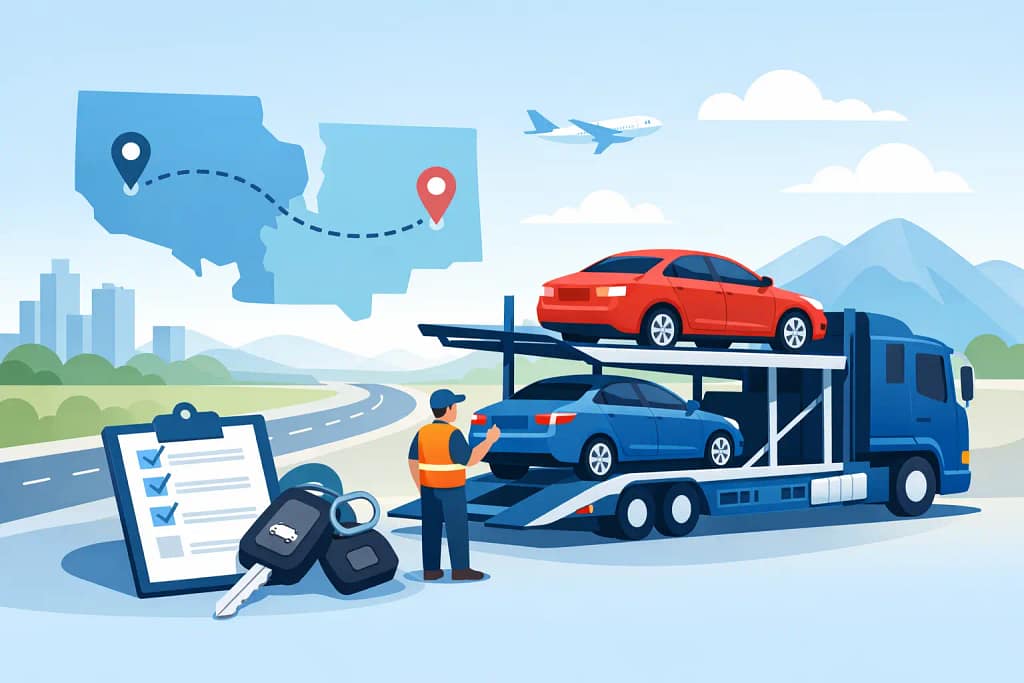
A cross-country move gets complicated fast when one question keeps hanging over everything else: what do you do with the car? If you are figuring out how to ship a car interstate, the good news is that the process is more straightforward than most people expect – if you choose the right transport setup and work with a company that communicates clearly.
Interstate auto transport is not just for dealers or collectors. It is a practical option for families relocating, military members changing duty stations, seasonal travelers, online car buyers, and owners who do not want to add hundreds or thousands of miles to a vehicle. The key is knowing what you are paying for, what affects timing, and where problems usually start.
How to ship a car interstate step by step
At a basic level, interstate car shipping follows a simple path. You request a quote, choose the type of transport, schedule pickup, prepare the vehicle, and then wait for delivery. What makes the experience easy or frustrating is how well each of those steps is handled.
The first step is getting an accurate quote. That means sharing the correct pickup and delivery locations, the year, make, and model of the vehicle, whether it runs, and the transport type you want. If a car is lifted, oversized, heavily modified, or inoperable, that needs to be disclosed up front. Low quotes that ignore those details often turn into delays or added charges later.
After that, you choose the service that fits your vehicle and budget. Most standard sedans, SUVs, and trucks move on open carriers. These are the trailers you see on highways carrying multiple vehicles. Open transport is the most common and cost-effective option. If you are shipping a luxury, exotic, antique, or collector vehicle, enclosed transport offers more protection from weather and road debris, but it costs more.
Pickup comes next. In many cases, door-to-door service is the easiest choice because it reduces handoffs and saves time. That said, “door-to-door” does not always mean a full-size carrier can reach your exact driveway. On narrow streets, in dense neighborhoods, or in areas with low branches or weight limits, you may meet the driver at a nearby open lot or shopping center. That is normal and usually faster than trying to force access where a truck cannot safely go.
Before the vehicle is loaded, there will be an inspection. The driver notes the car’s condition on a bill of lading. You should do the same with your own photos. Take clear pictures from multiple angles in good light. That gives everyone a shared record before transit begins.
Choosing the right interstate car shipping option
If you are deciding how to ship a car interstate, the transport type matters more than most first-time shippers realize. It affects price, scheduling flexibility, and the level of protection.
Open transport is the standard choice for good reason. It is widely available, efficient, and usually the best fit for everyday vehicles. Because more open carriers operate on major routes, pickup windows can be more flexible and pricing tends to be better.
Enclosed transport is designed for situations where extra protection is worth the higher rate. Owners of classic cars, restored vehicles, high-end sports cars, and custom builds often choose it for peace of mind. The trade-off is cost and, in some lanes, slightly tighter scheduling.
There is also the question of timing. Standard scheduling works well for many shipments, but not every move happens on an ideal timeline. If you need faster pickup, expedited shipping may be the better fit. It costs more, but it can reduce waiting time when you are dealing with a move deadline, job relocation, or a recently purchased vehicle that needs to arrive quickly.
For inoperable vehicles, specialty arrangements may be required. A non-running car can still be shipped, but the carrier must have the right equipment, such as a winch. That changes pricing and availability, so it should never be treated as a minor detail.
What interstate car shipping really costs
Price is usually the first concern, and it should be. But the cheapest quote is rarely the safest bet.
Interstate shipping costs depend on distance, route popularity, vehicle size, transport type, seasonal demand, and condition of the vehicle. Shipping a compact sedan between major metro areas is usually less expensive than moving a large SUV to a remote town. Enclosed transport costs more than open. Expedited service costs more than flexible scheduling. Summer and snowbird seasons can also push rates up because demand rises.
The biggest mistake customers make is comparing quotes without comparing what is actually included. A lower number may leave out realistic market pricing for the route, carrier availability, or special handling needs. That is where surprise fees and stalled pickups tend to show up.
A trustworthy quote should be clear about the service type, the route, and whether the vehicle has any conditions that affect transport. It should also come with real communication, not vague promises. Transparent pricing matters because no one wants to budget for one number and end up paying another.
Timing: how long it takes and what can change it
Shipping time depends on both distance and logistics. A shorter route is not always faster if carrier capacity is tight or pickup and delivery points are hard to access. On the other hand, major interstate routes often move efficiently because there is more traffic and more carrier activity.
Weather, road conditions, mechanical issues, federal driving-hour limits, and traffic patterns can all affect delivery timing. That does not mean the process is unreliable. It means there is a real transportation network behind your shipment, and good service includes setting realistic expectations instead of overpromising.
This is where direct support makes a difference. If your carrier or coordinator keeps you updated, a timing adjustment feels manageable. If nobody answers the phone, even a small delay feels like a major problem.
How to prepare your car before pickup
Preparation is simple, but it matters. Start by removing personal belongings. Most carriers do not allow household goods in the vehicle, and loose items can shift during transport. It is also smart to remove toll tags, parking passes, and anything mounted externally that could be damaged or lost.
Make sure the car has about a quarter tank of gas. More than that adds unnecessary weight. Less than that can create issues when the vehicle needs to be loaded and unloaded.
Check for leaks, battery issues, and tire pressure. If the car has quirks, such as a stubborn ignition, low clearance, or an alarm that triggers easily, tell the transporter before pickup. These are not deal-breakers. They just need to be known.
Finally, have a spare set of keys ready and keep your phone available around the pickup and delivery windows. Missed calls are one of the most common causes of avoidable delays.
How to avoid the common mistakes
Most interstate vehicle shipping problems come down to three things: unrealistic quotes, poor communication, and missing details about the vehicle or route.
If a quote seems far lower than everyone else’s, ask why. If the answer is vague, that is a warning sign. If the company is hard to reach before you book, support probably will not improve after pickup. And if your shipment has any complication – a gated neighborhood, a non-running vehicle, a custom lift, a narrow delivery street – bring it up early.
It also helps to ask direct questions. Is the carrier fully licensed and insured? What is the expected pickup window? What happens if access is limited at either location? How are updates handled during transit? Straight answers usually tell you a lot about the service you are buying.
For customers shipping a high-value or sensitive vehicle, the standard checklist is not enough. You want confidence that the car will be handled by vetted, insured professionals and that someone will actually be available if you need an update. That is one reason many customers choose a company like Pro Auto Carriers – not just for nationwide coverage, but for zero-surprise pricing and real people who stay involved from pickup through delivery.
When shipping makes more sense than driving
Driving the car yourself can look cheaper at first, but that is not always true once you factor in fuel, hotels, meals, time off, weather risk, and wear on the vehicle. For a family juggling a move, for a collector protecting mileage, or for someone buying a car out of state, transport often ends up being the more practical option.
It also reduces stress in situations where there is already enough to manage. If you are coordinating movers, flights, housing, and work schedules, outsourcing the vehicle transport can remove one major variable.
The best way to approach interstate car shipping is to keep it simple. Give accurate details, choose the service that matches your vehicle, and work with a transporter that values clear communication as much as the move itself. When the process is handled well, your car shows up where it needs to be, and you can focus on everything else waiting for you there.