
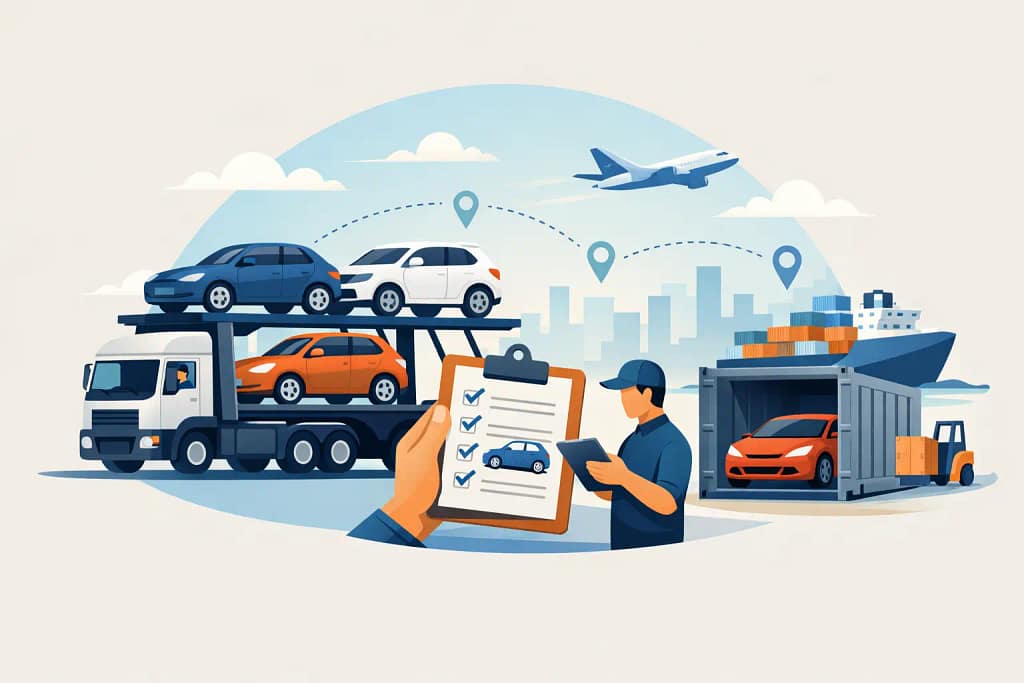
Moving a vehicle across the country is a lot easier when you know what happens before the truck arrives. If you’ve been asking, how does car shipping work, the short answer is this: you request a quote, schedule pickup, prepare the vehicle, hand it off to a licensed carrier, and receive it at delivery after a final inspection. The real value is knowing what each step looks like, what affects price and timing, and how to avoid surprises.
For most customers, car shipping is less about logistics and more about peace of mind. You want your vehicle picked up on time, handled carefully, and delivered with clear communication along the way. That is especially true if you are moving a family SUV, buying a car online, relocating for military service, or shipping a classic that cannot be treated like an everyday commuter.
How does car shipping work from start to finish?
The process usually starts with a quote based on your vehicle, route, timing, and transport type. A standard sedan going on an open trailer along a major route will usually be simpler and more affordable than an inoperable truck headed to a remote area on a tight deadline. That does not mean one shipment is good and the other is a problem. It just means shipping is priced and planned around real-world factors.
Once you approve the quote, your transport is scheduled. At that point, the carrier or transport coordinator works on pickup timing and confirms the details, including addresses, contact numbers, and any special handling needs. Good communication matters here because pickup windows are often influenced by traffic, weather, route density, and federal driving-hour limits.
When the driver arrives, the vehicle is inspected before loading. This is where the Bill of Lading comes in. It is the document used to note the vehicle’s condition at pickup and again at delivery. If there are existing scratches, dents, or cosmetic marks, they should be recorded clearly. Taking your own date-stamped photos before pickup is a smart step because it gives you a clean record.
After inspection, the vehicle is loaded onto the trailer and secured for transport. During transit, the driver follows the route and delivery schedule, with updates provided as the shipment progresses. At delivery, the vehicle is inspected again, the Bill of Lading is signed, and the shipment is complete.
The quote stage sets the tone
A car shipping quote is not just a price. It is the blueprint for the job. The best quotes are clear about what is included, what service level you are booking, and whether there are any conditions that could affect timing or access.
Pricing depends on several variables. Distance is the obvious one, but it is not the only one. Vehicle size and weight matter because larger vehicles take more trailer space and add load weight. Route popularity matters too. A car traveling between major metro areas is often easier to schedule than one going to a rural destination. Season also plays a role. Summer demand, snowbird season, and severe weather can all change availability and cost.
Then there is service type. Open transport is the most common and cost-effective option. Enclosed transport costs more, but it adds protection from weather and road debris, which is why owners of luxury, exotic, and classic vehicles often choose it. Expedited shipping can also raise the rate because it requires tighter scheduling.
This is where transparency matters most. A low quote can sound great until hidden fees, vague scheduling, or weak communication turn the process into a headache. Real support and upfront pricing usually save more stress than chasing the cheapest number.
Pickup is straightforward when you are prepared
The pickup itself is usually quick, but preparation makes a big difference. Your vehicle should be clean enough for inspection, with personal items removed unless your transporter has clearly approved limited contents. Loose accessories, toll tags, and custom items that could shift or get damaged should also be taken out or secured.
You should leave about a quarter tank of gas in the vehicle. That is enough for loading and unloading without adding unnecessary weight. The battery should be charged, tires properly inflated, and any fluid leaks disclosed ahead of time. If the car has special operating instructions, such as a hidden kill switch, low ground clearance, or a tricky alarm system, tell the driver before loading.
If your car is inoperable, that does not automatically stop the shipment. It just requires the right equipment and advance notice. The same goes for oversized trucks, lowered vehicles, motorcycles, and specialty cars. The key is being accurate upfront so the right carrier and trailer are assigned.
Open vs. enclosed transport
Most customers choose open transport because it is efficient, widely available, and budget friendly. If you have seen multi-car carriers on the highway, that is open transport. Your vehicle is exposed to normal weather and road conditions, but this method is standard for everyday vehicles and dealer shipments nationwide.
Enclosed transport is designed for customers who want a higher level of protection. The vehicle rides inside a covered trailer, shielded from rain, debris, and outside exposure. That added protection makes sense for collector vehicles, rare models, high-end cars, and motorcycles with custom finishes.
Neither option is universally better. It depends on the vehicle and your comfort level. If you are shipping a daily driver and want the best value, open transport usually makes sense. If you are moving something irreplaceable or high-value, enclosed transport may be worth the added cost.
Door-to-door delivery is common, but access matters
Door-to-door transport is the service most customers want because it is convenient and simple. The driver picks up and delivers as close to your specified addresses as safely and legally possible. That said, “door-to-door” does not always mean the truck can literally pull into your driveway.
Large transport trucks may be restricted by low trees, narrow streets, HOA rules, weight limits, or tight turns. If access is limited, you may meet the driver at a nearby parking lot, shopping center, or other open location. That is normal and usually worked out in advance.
Terminal-to-terminal shipping is another option, but it is less popular for customers who want a hands-off process. It can work in certain situations, though it often adds extra coordination on your end.
Timing depends on route, season, and flexibility
One of the biggest misunderstandings about car shipping is timing. Pickup and delivery are usually scheduled within windows, not exact appointment times like a package delivery. Long-haul transport involves traffic, weather, road conditions, equipment scheduling, and legal drive-time rules.
Shorter routes can move faster, but that is not always the case if the route is less active. Popular interstate lanes may have more carrier availability, while remote locations can take longer to schedule. Flexibility helps. If you can give a wider pickup window, you usually have more options and a smoother booking experience.
Expedited shipping is available for customers who need faster service, but it comes at a premium. If time is critical, say that early. Waiting until the last minute narrows options and can raise costs.
Insurance, inspections, and peace of mind
A professional auto transporter should be fully licensed and insured. That is not just a selling point. It is part of what protects your shipment and gives you a clear path if a problem comes up.
The inspection process is central to that protection. The condition report at pickup and delivery creates the official record of the vehicle’s state before and after transport. Most shipments go smoothly, but documentation matters because it keeps expectations clear and gives everyone the same reference point.
Customers sometimes assume their personal auto policy covers transport damage. Sometimes it may help, sometimes it may not. It depends on the policy. That is why carrier cargo insurance and a properly documented inspection are so important.
What first-time shippers usually worry about
Most first-time customers have the same concerns: Will the driver show up? Will the price change? Will the car arrive safely? Will anyone answer the phone if plans shift?
Those are fair questions because the auto transport industry is crowded with vague quotes and inconsistent service. A dependable shipping experience comes down to clear expectations, honest pricing, and responsive communication from real people. That is the difference between a stressful move and a controlled one.
At Pro Auto Carriers, the goal is to keep the process simple, transparent, and fully supported from quote to delivery. That matters whether you are shipping one family vehicle or coordinating transport for something rare, modified, or non-running.
If you are planning a move, buying a vehicle out of state, or sending a car to a seasonal home, the best next step is not guessing. It is getting a clear quote, asking the right questions, and choosing a transporter that treats communication like part of the service, not an afterthought.