
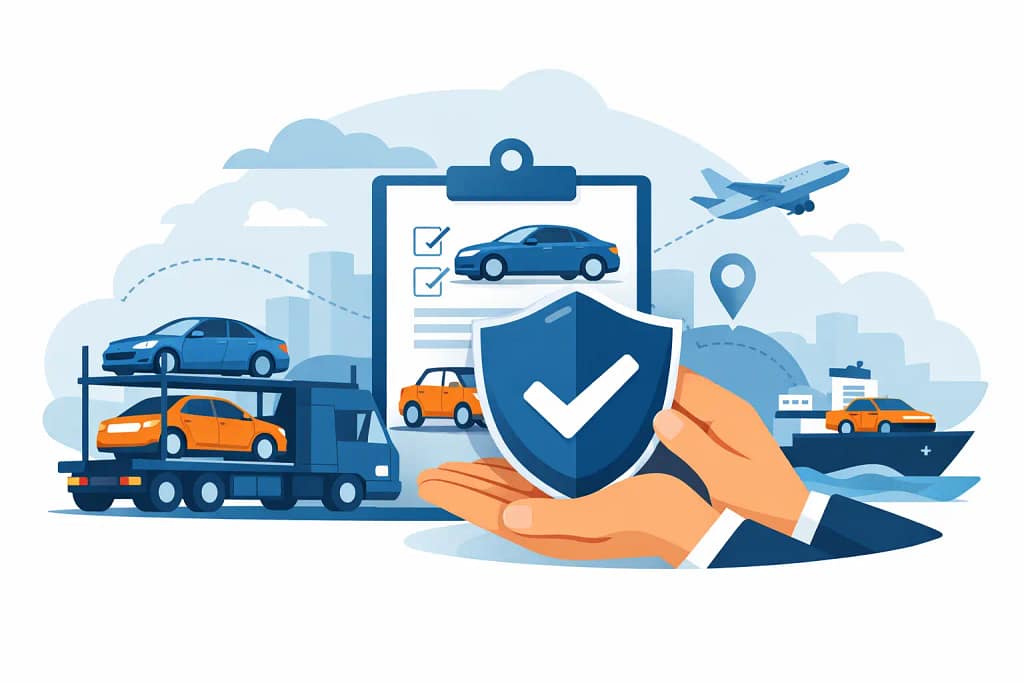
A low quote can look great until you ask one simple question: what happens if the car is damaged in transit? That is where car shipping with insurance stops being a checkbox and starts being the part of the move that actually protects you. If you are shipping a daily driver, a family SUV, a collector car, or a recently purchased vehicle, understanding the coverage matters just as much as price and timing.
Most customers assume every transport policy works the same way. It does not. Auto transport insurance can vary by carrier, by trailer type, and by the condition of the vehicle being shipped. The difference between a smooth claim and a frustrating one often comes down to the details handled before pickup.
What car shipping with insurance actually means
In auto transport, insurance usually refers to the cargo coverage carried by the transporter moving your vehicle. That policy is designed to cover damage caused while the vehicle is in the carrier’s care, custody, and control. It is not the same as your personal auto insurance policy, and it is not a blanket promise that every scratch, chip, or mechanical issue will be covered.
That distinction matters. A professional carrier should be fully licensed and insured, but being insured does not mean every scenario is covered without conditions. The policy typically applies during transit and loading or unloading. It may not apply to pre-existing damage, loose personal items left inside the vehicle, or mechanical problems unrelated to transport.
For customers, the practical takeaway is simple. Car shipping with insurance should give you a clear path if transport-related damage occurs, but only if the shipment is documented properly and the carrier’s coverage is verified in advance.
What is usually covered – and what is not
The standard policy carried by an auto transporter often covers physical damage that happens during the shipment. That can include damage from contact with other vehicles, equipment-related incidents during loading, or issues caused while the car is on the trailer. If a mirror is damaged during transit or the body picks up transport-related damage, that is the type of event cargo insurance is meant to address.
What is not covered is just as important. Personal belongings packed in the vehicle are commonly excluded. Pre-existing cosmetic issues are not covered, which is why inspection at pickup matters so much. Some claims involving aftermarket accessories, custom modifications, or very low-clearance vehicles may depend on whether those details were disclosed before transport. Weather can also be an area where customers need clarity. Open transport exposes vehicles to normal road dust, rain, and seasonal conditions, and those are not typically treated as claim-worthy damage.
If you are moving a luxury, classic, exotic, or antique vehicle, it is worth asking whether the policy limits match the vehicle’s value. A carrier may be insured, but the coverage amount still needs to make sense for the car being hauled.
Why the trailer type affects risk
Open transport is the most common and cost-effective option, and for many standard vehicles it is the right fit. It is also the option with more exposure to road debris and the elements. That does not mean open shipping is unsafe. It means the risk profile is different, and customers should understand that before booking.
Enclosed transport offers more protection because the vehicle is shielded from weather and road exposure. For collector vehicles, high-end models, and cars with sensitive finishes, enclosed shipping usually provides stronger peace of mind. Insurance still matters with enclosed shipping, but the combination of reduced exposure and carrier coverage creates a stronger overall protection plan.
This is one of those areas where the cheapest option is not always the best value. If the vehicle is rare, newly restored, or expensive to repair, paying more for enclosed service may save you a much bigger headache later.
Questions to ask before you book
A reliable transport company should be comfortable answering insurance questions directly. If the answers feel vague, that is a warning sign. Customers do not need a lecture in policy language, but they do need clear information.
Ask who is actually carrying the insurance, the amount of cargo coverage in place, and whether the specific vehicle type has any restrictions. If the car is modified, inoperable, oversized, or especially valuable, mention that upfront. The right time to surface those details is before the carrier is assigned, not on pickup day.
It also helps to ask how claims are handled if there is damage. A good company will explain the process in plain terms, including what documentation is needed and when damage has to be reported. Straight answers here usually reflect stronger operational discipline across the shipment.
The bill of lading is more important than most people realize
The bill of lading is the inspection record created at pickup and updated at delivery. It is one of the most important documents in car shipping with insurance because it shows the vehicle’s condition before and after transport.
At pickup, the driver should inspect the car and note visible damage such as dents, scratches, cracked glass, or bumper marks. You should do the same. Take clear photos from multiple angles, including close-ups of any existing issues. Time-stamped photos are especially helpful. If the vehicle has custom wheels, a body kit, low ground clearance, or prior paint damage, document that too.
At delivery, inspect the vehicle before signing off. If you notice new damage, note it on the bill of lading immediately. This is not the time to rush because the trailer is waiting or because it is getting dark. If possible, inspect the vehicle in daylight or with strong lighting. Once the delivery paperwork is signed clean, filing a successful claim can become much harder.
How your own auto insurance fits in
Your personal auto insurance may still matter, but it is usually secondary in the transport context. The carrier’s cargo policy is generally the first line of coverage for transit-related damage. Still, it is smart to call your insurer before shipping and ask whether your comprehensive policy provides any protection while the vehicle is being transported.
This extra step can help clarify gaps. In some cases, your insurer may offer limited support depending on the situation. In others, they may direct everything back to the carrier’s policy. Either way, knowing the answer before the car is picked up is better than trying to sort it out after a problem.
Higher-value vehicles need tighter planning
If you are shipping a classic car, exotic vehicle, or recent high-dollar purchase, insurance should be part of a larger protection strategy. That strategy starts with choosing the right transport type, but it also includes asking better questions and documenting more carefully.
High-value vehicles often have details that affect coverage and handling. Special paint, custom bodywork, lowered suspension, oversized tires, and non-standard dimensions can all change how the vehicle should be loaded and transported. If those details are not disclosed, they can create problems with both execution and claims.
This is where a hands-on transport partner makes a real difference. Companies that communicate clearly, vet carriers carefully, and stay involved from scheduling through delivery tend to prevent avoidable issues before they happen. For many customers, that support matters as much as the policy itself.
How to protect yourself before pickup day
Preparation is not complicated, but it does need to be deliberate. Wash the vehicle so existing damage is easy to see. Remove personal items unless you have been specifically told a small amount is allowed. Fold in mirrors if appropriate, disable toll tags, and make sure the battery is charged and tires are properly inflated if the vehicle runs.
If the car has quirks, share them. Maybe the alarm is sensitive, the parking brake sticks, or the car has a push-button start with a specific procedure. Those details help the driver handle the vehicle correctly and reduce the chance of preventable issues during loading and unloading.
You should also keep expectations realistic. Insurance is there for legitimate transport-related damage. It is not a substitute for proper disclosure, accurate inspection, or choosing the right shipping setup in the first place.
Car shipping with insurance is really about clarity
Most customers are not looking for complicated policy language. They want to know their vehicle is being moved by a properly insured carrier, that the process is documented, and that they will not be left guessing if something goes wrong. That is a fair expectation.
The best car shipping experience usually comes from a combination of things done right: honest pricing, a vetted carrier, clear communication, solid inspection procedures, and insurance that fits the vehicle being transported. At Pro Auto Carriers, that kind of clarity is the goal because zero surprises should not be a marketing line. It should be how the shipment is handled from pickup to delivery.
Before you book, ask the extra question, read the paperwork, and document the car carefully. A few careful steps upfront can make the entire move feel a lot more controlled.